
NBAC Book List
In every generation, Black people have faced a battle not just for our rights, but for our truth. For centuries, our history was hidden, our brilliance denied, and our struggles distorted. But our elders left us something powerful: books that teach us how to free ourselves. If we want to build strong communities, reclaim our economic power, understand the systems shaping our lives, and move as a politically educated people, these books are not optional. They are tools for liberation.
Black-owned (Online Book Store)
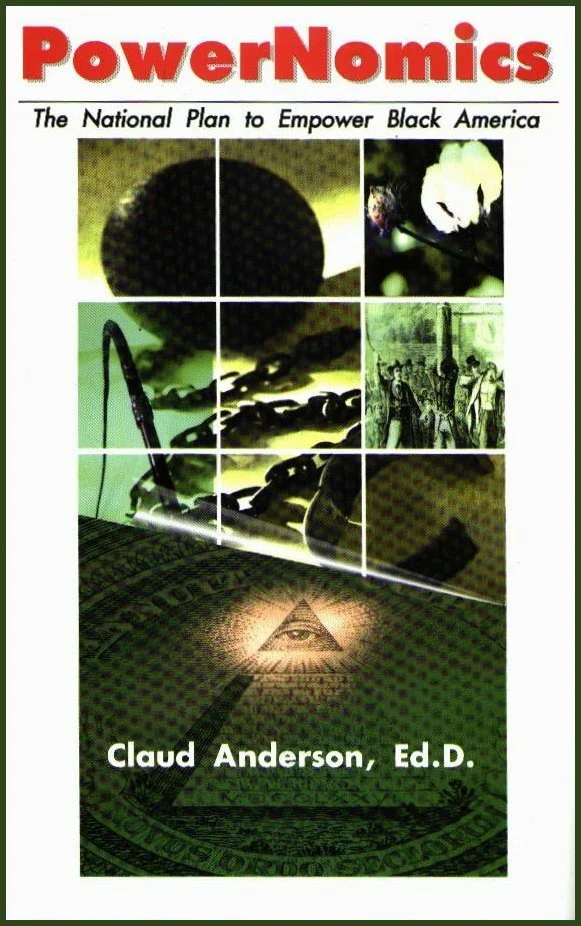

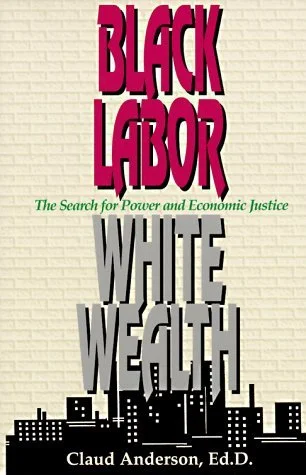
By Dr. Claud Anderson
Anderson argues that Black Americans have never been compensated for the wealth they generated under slavery and segregation, and that this original dispossession remains the root cause of persistent economic inequality. He advocates for group economics and deliberate wealth-building strategies modeled on other ethnic communities in America.
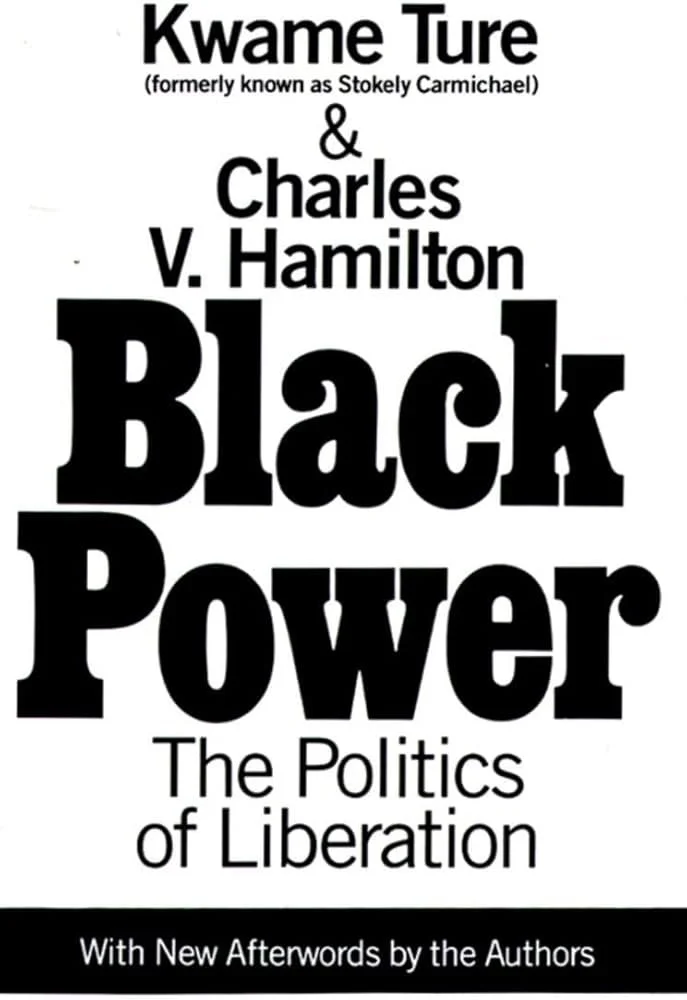
Black Power: The Politics of Liberation – Kwame Ture & Charles V. Hamilton
This is one of the most important political books ever written for Black people. It teaches the science of political power, how it’s built, how it’s lost, and how Black people can organize independently. It explains why integration alone cannot deliver liberation and why institutions, not individuals, determine our freedom. It is essential reading for anyone serious about political organizing.
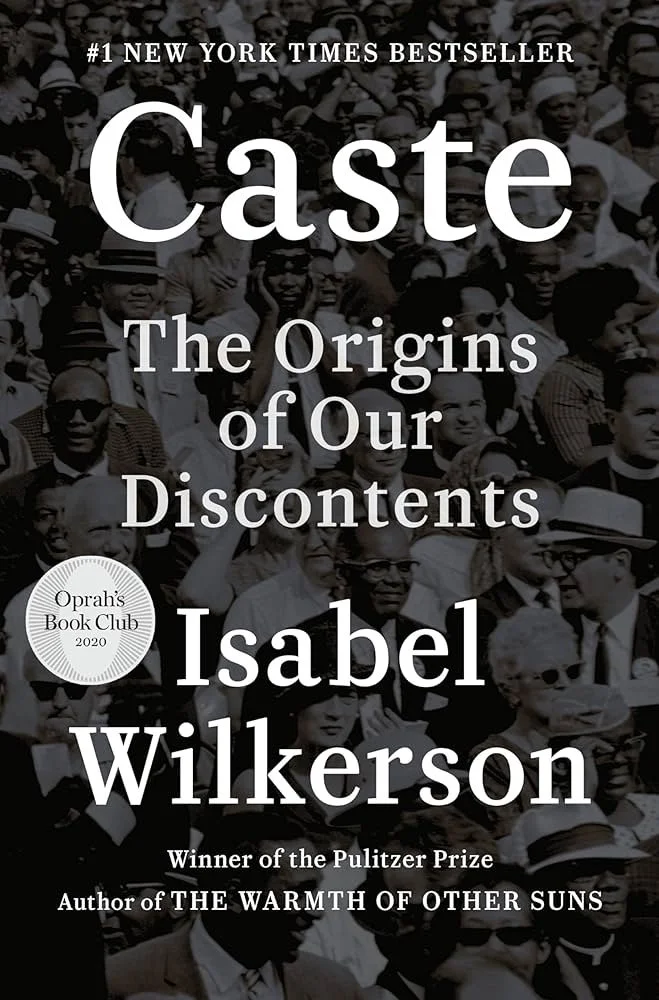
By Isabel Wilkerson
Wilkerson exposes how America operates not just on racism, but on a caste system, a rigid social order designed to keep Black people at the bottom. You’ll learn the mechanisms of structural oppression and gain the language needed to explain what we experience daily. This book helps Black readers reject the lie that racism is “random” or “individual,” revealing the system behind the suffering.
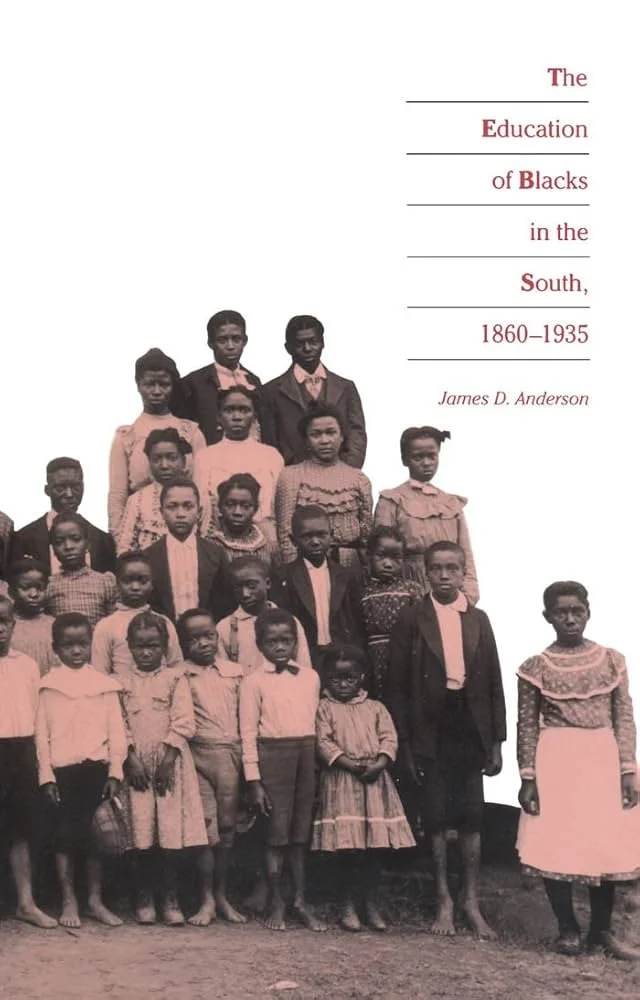
James D. Anderson
This book exposes what many people never learn: Black people built much of the South’s education system after the Civil War. You discover how freedmen fought, raised money, and created their own schools despite white resistance.
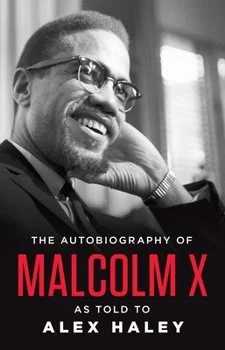
The Autobiography of Malcolm X – As Told to Alex Haley
This book is a blueprint for transformation. Malcolm’s journey, from street hustler to revolutionary thinker—teaches discipline, self-education, political clarity, and fearlessness. You’ll learn what it means to evolve, to stand firm in truth, and to love Black people enough to fight for them like you fight for yourself. I don't know anyone who has read this book and stayed unchanged. I based the BRC after his organization's vision. The Organization of
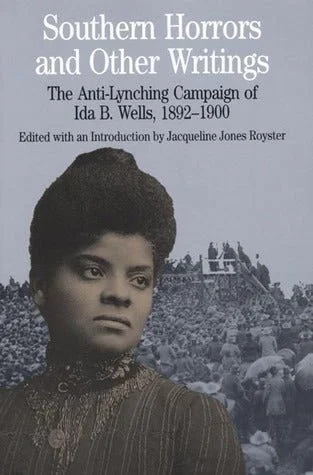
Ida B. Wells (Edited by Jacqueline Jones Royster)
Ida B. Wells risked her life to expose the truth about lynching in America. These writings document the terror used to control Black people after emancipation. You’ll learn how Black resistance movements were born and why telling the truth, even in the face of violent backlash, matters for our political survival. It’s extremely important to understand the lengths to which these people will go to maintain their delusional white supremacy.
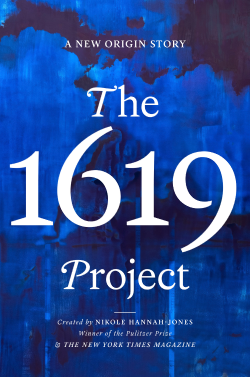
By Nikole Hannah-Jones
Expanding the Pulitzer Prize–winning New York Times series, this book reframes American history by centering 1619, the year the first enslaved Africans arrived, as the nation's true founding moment. Essays, poems, and photography by leading Black writers and scholars trace how slavery shaped American democracy, capitalism, medicine, music, and law.
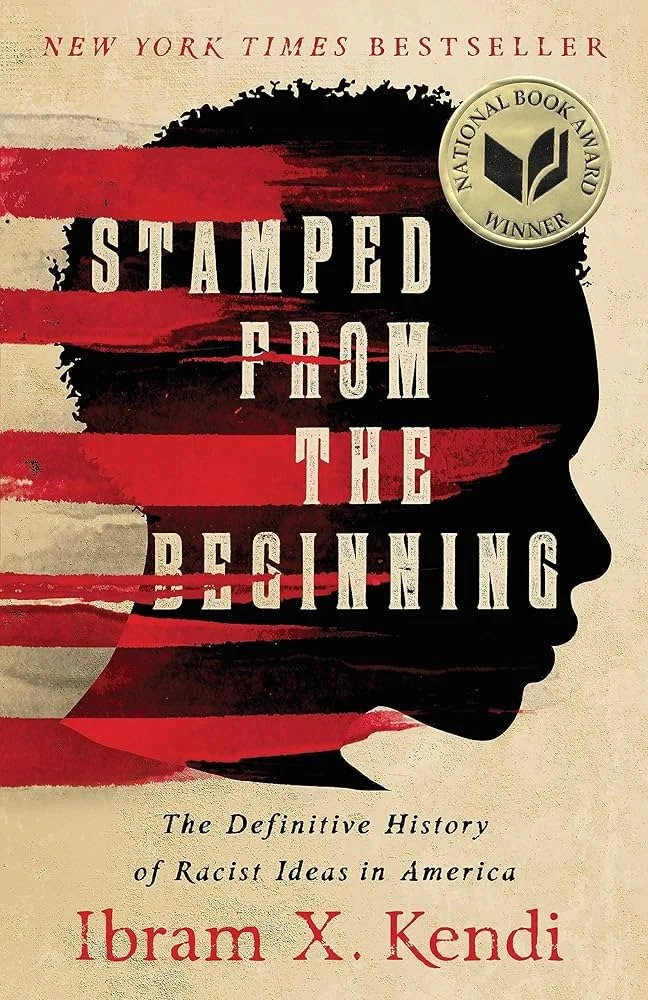
Ibram X. Kendi
Kendi offers a sweeping history of racist ideas in America, tracing how they were constructed and deployed to justify inequality. He challenges readers to understand that racist policies produce racist thinking, not the other way around, reframing how we understand the origins of systemic racism.
By Dr. Claude Anderson
a direct sequel to his earlier Black Labor, White Wealth, bringing together data from many sources to construct a framework for solutions and proposing new principles, strategies, and concepts across core areas of life, education, economics, politics, and religion. It offers actionable steps to transform impoverished and powerless Black communities into a truly competitive group, teaching a new way to see, think, and act in racial matters.
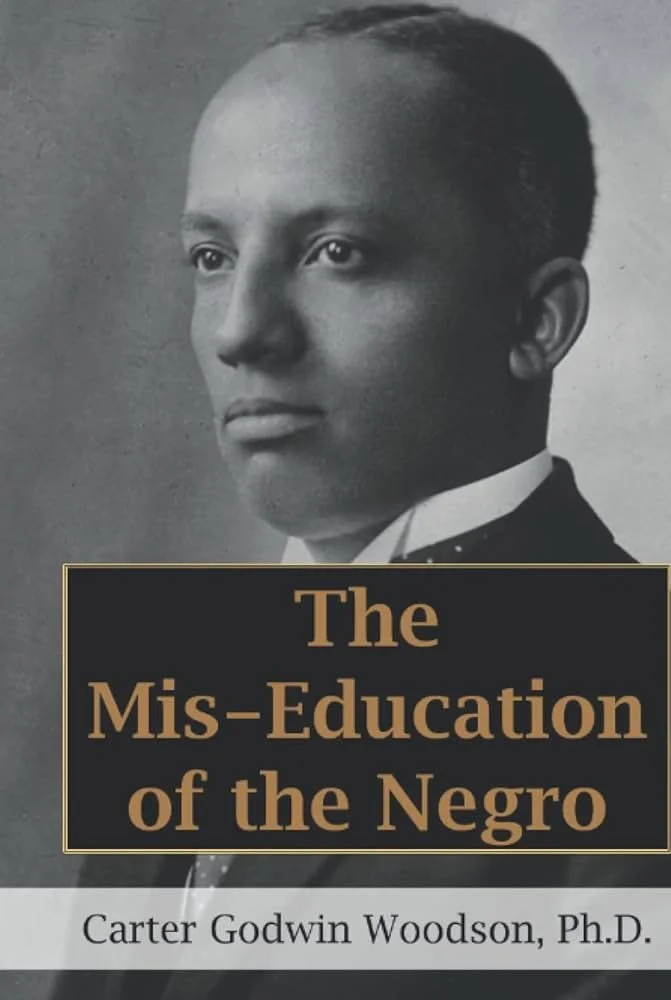
By Carter G. Woodson
Woodson argues that American education systematically undermined Black political and cultural identity by conditioning Black Americans to see themselves through the lens of white supremacy. He makes a powerful case that reclaiming education is essential to reclaiming political self-determination.
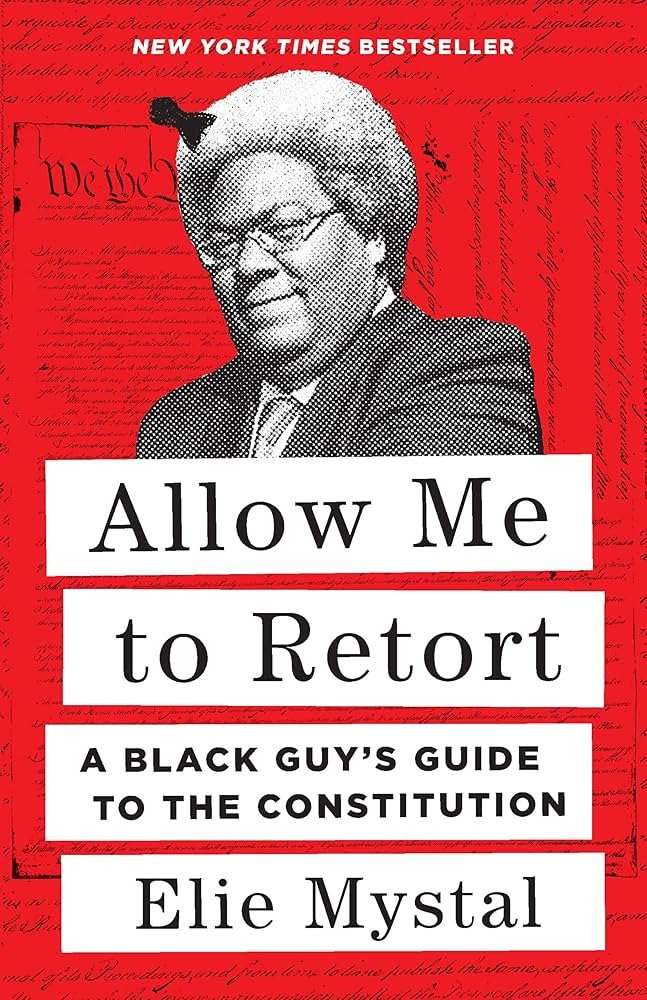
By Elie Mystal
belongs in the political power section. Mystal strips away the legal jargon conservatives use to obscure their agenda and exposes how their constitutional project keeps America tethered to its slaveholding past, covering everything from police brutality to political gerrymandering. Written with trademark humor and rhetorical flair, the book arms readers with the knowledge to defend the rights of women and people of color against originalist interpretations built for 18th-century white men.
By Shomari Wills
Wills profiles six Black Americans who became millionaires after the Civil War, revealing the remarkable entrepreneurial ingenuity required to build wealth in a society structured to prevent it. Their stories offer both inspiration and a sobering look at how hard-won Black wealth was routinely dismantled by violence and discriminatory policy.
By Frederick Douglass
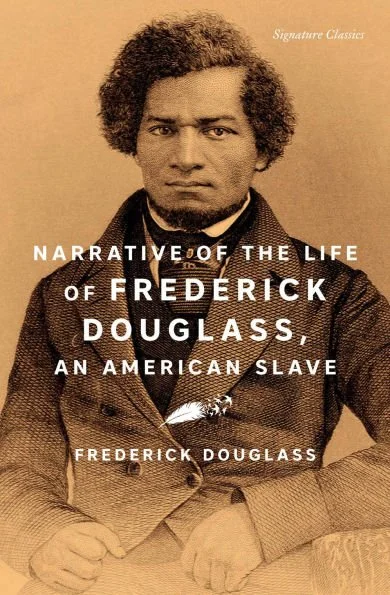
Written after Douglass escaped slavery, this autobiography gives a firsthand account of the brutal physical and psychological machinery of slavery, from the deliberate denial of education to the casual inhuman violence that sustained the system. It remains one of the most powerful primary documents in American history, making the abstract horrors of slavery viscerally real and building an airtight moral case for abolition and Black humanity.
By W.E.B. Du Bois
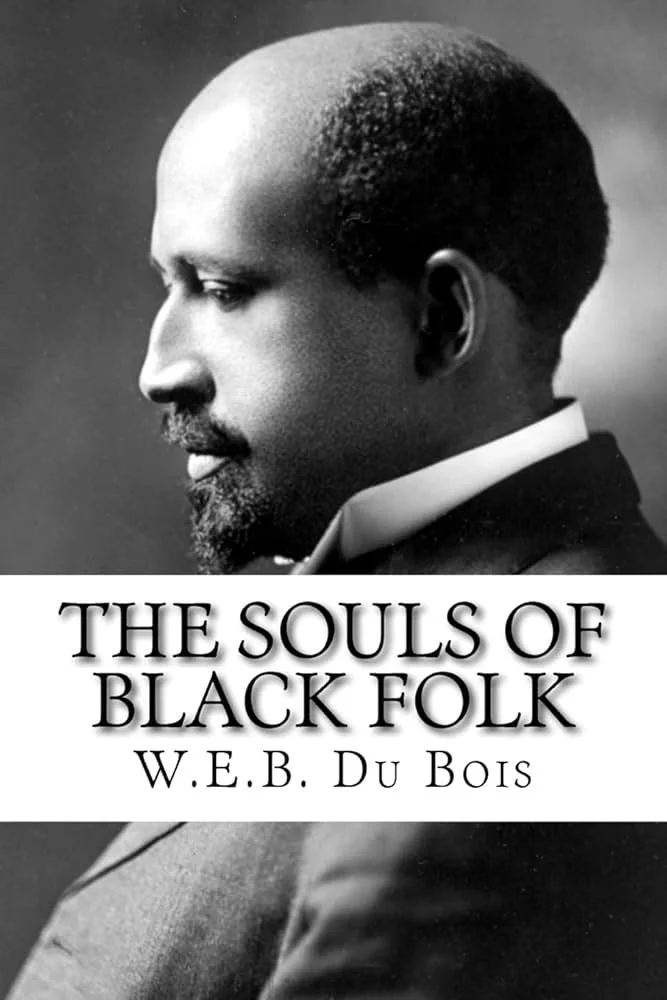
A foundational text of African American intellectual life, this collection introduces the concept of "double consciousness" the tension of being both Black and American. Du Bois examines the post-Reconstruction era and argues that the struggle for political equality is inseparable from the struggle for dignity and full citizenship.
By Frantz Fanon
A major influence on civil rights, anti-colonial, and Black consciousness movements around the world, the book is considered the unsurpassed study of the Black psyche in a white world, blending scientific analysis with poetic grace. Drawing on psychiatry, philosophy, and lived experience as a Black man from Martinique navigating white French society, Fanon argues that racism produces a double bind, first economic exclusion, then the internalization of inferiority, and that genuine liberation requires confronting both the objective socioeconomic realities and the subjective psychological damage colonialism inflicts.
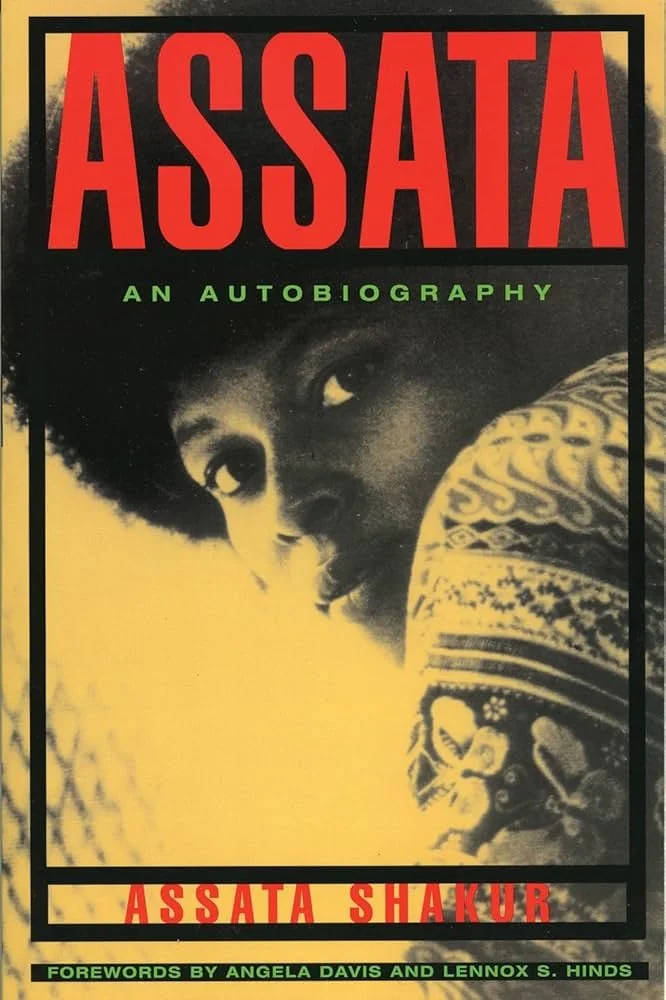
Assata tells the story of a Black woman targeted for her activism and forced into exile. You’ll learn about COINTELPRO, police repression, and how the U.S. government intentionally destroys Black movements. But you also learn about resilience, community, and radical love. Assata’s story is a reminder that Black women have always been essential to the freedom struggle. This book illustrates the sacrifice involved in Black liberation. Rest in heaven Assata.
By George L. Jackson
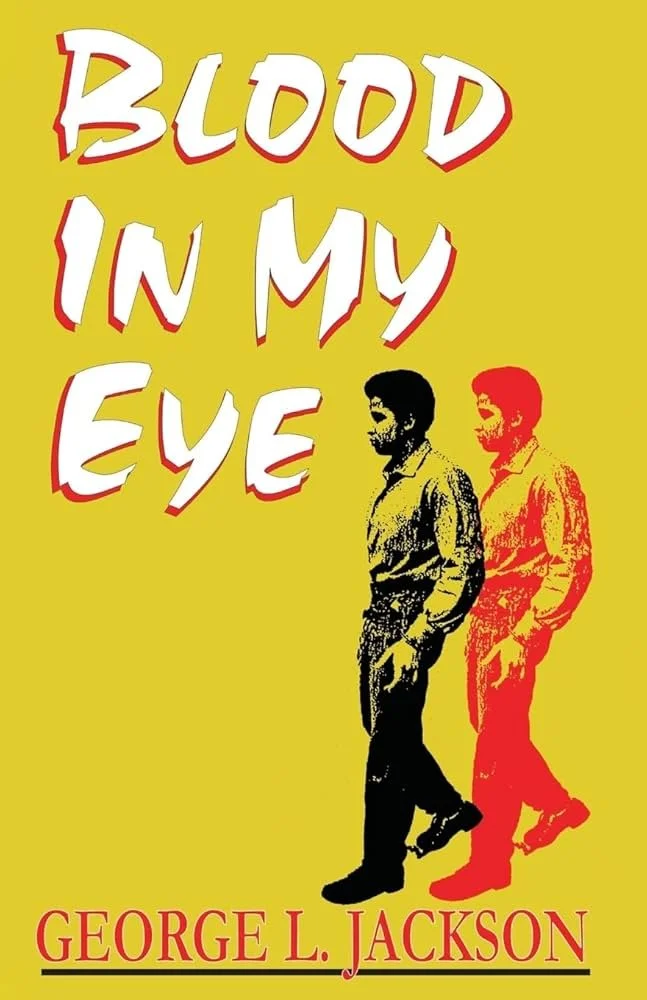
Jackson exposes the brutality of the prison system and connects it to global capitalism and imperialism. You’ll learn how prisons function as tools of social control and why Black political prisoners were (and still are) targeted. This is a radical, clear-eyed examination of resistance and the cost of fighting for freedom. This book was completed just a few days before Jackson was killed by San Quentin prison guards during an alleged escape attempt. When he was 17yrs old George Jackson was convicted of stealing $70 dollars from a gas station and was sentenced to one year to life